 |
 |
|||||||||||||||||||||||||||||||||||||||||||||||||||||||||||||||||||||||||||||||||||||||||||||||||||||||||||
 |
||||||||||||||||||||||||||||||||||||||||||||||||||||||||||||||||||||||||||||||||||||||||||||||||||||||||||||
|
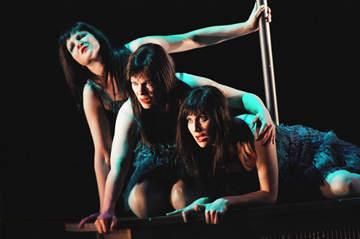
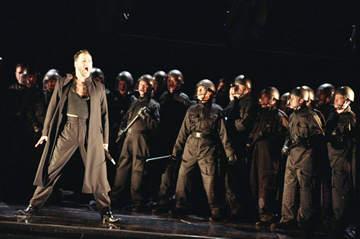
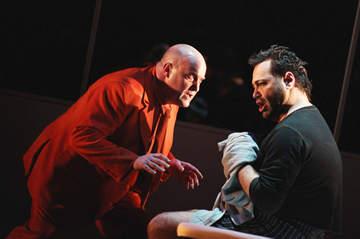
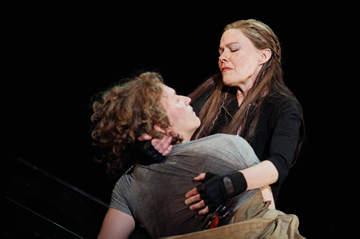
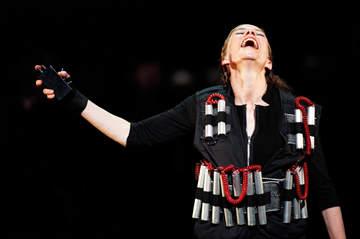
LISTENING TO WAGNER'S Twilight of the Gods CONDUCTOR - PAUL DANIEL Rather than adding too many to the hundreds of thousands of words written on Wagner & The Ring (searching Google, nearly a million English pages) I will confine myself in this short article mainly to a few thoughts and some links. We were generally disappointed and perplexed at the (overdue) first interval, but became more involved and sometimes convinced as things went during the six hours at the Coliseum. The contemporary imagery towards the end for Hagen's warlike kinsfolk, and making Brunnhilde finally a suicide-bomber, was clear enough, and nothing could detract from the wonders of tiny KATHLEEN BRODERICK's charisma, vocal power and endurance through her punishing role; two remarkable operatic soprano performances in one week, hers and Lisa Saffer's as Lulu. Of the rest, we thought Sarah Fulgoni, Gidon Saks and Richard Berkeley-Steele greatly impressive in a generally fine cast. The orchestra sounded sumptuous where we sat and I haven't the specialist expertise to go into niceties of tempo etc. The sets worried me more than the costumes, but constantly obtruding itself was the problem of audibility of the words and ENO's insistence, against all reason and (now) mounting critical opinion, to keep us guessing what was being sung and what it meant. On this occasion we were seated optimally (M3&4 in the Stalls) and when orchestra and vocal tessituras allowed it was clear that great trouble had been taken with diction. But audibility is at best intermittent, and progress is so slow that no serious distraction from important moments of acting would intrude if we'd had listening made easier. Several critics quantified their lost words, which will have depended on their seating positions and hearing (that of many seasoned opera goiers is less than perfect). Most of the audience will have done worse than the critics, whose figures for this, and (worse) for Lulu, ranged from some 40% (considered good) to one-eighth of the words, that writer (who thought Lisa Saffer might as well have sung in Turkish) opining that it irrefutably confirmed the necessity for surtitles for operas in English. But arithmetic isn't the point. It is words in their context of sentences, paragraphs and scenes as a whole that one needs to comprehend, and extrapolating sense from a few words is too laborious, and far more distracting from attention to the stage, than is glancing quickly to the surtitles and back. The era of prolonged advance homework (which Bayreuth pilgrims may still do) no longer pertains to the audience of multi-national Londoners and tourists who go to ENO at the Coliseum. The (expensive) programme books, also, seem likely not to engage with what those audiences need and would prefer. Why is the director not invited to explain her thinking, which is probably more coherent and less muddled than seems from just watching what passes before your eyes? (Welsh National Opera provides more helpful programmes for their productions.) Illustrations give clues, the apothecary linking to the Hagen/Gunther/Gutrune menage, etc, but a real sharing of thoughts about the production is a huge bonus when offered (c.f. Stephen Medcalf re his Susanna at Guildhall).
Photos Neil Libbert |