 |
 |
|
 |
||
|
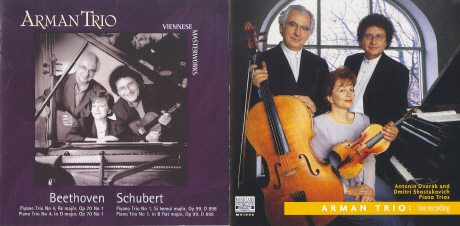
Arman Piano Trio plays Dvorak & Shostakovich; Beethoven & Schubert
Dvorak Op 90 (Dumky) Shostakovich Trio No 2 Op 67 Musicians Showcase MS1046 (live recording)
Beethoven Op 70 No 1 (Ghost) Schubert D898 AK Muzik 408401-2
Constantin Bogdanas (violin) Dorel Fodoreanu (‘cello) Deniz Arman Gelenbe (piano)
This pair of CDs exhibits an interesting phenomenon – contrary to usual expectations, the studio recording is far fuller of life, energy and character than the live performance. On closer inspection, this is very rational – the live performance comes from 1998, when the group was just forming, though the three musicians were already established; there is every possibility the trio was self-conscious from the presence of the microphone. The studio disc is from 2004, and is also produced by Ates Orga, whose passion for Romantic musical philosophy is well-known.
So the Dvorak and Shostakovich, though well programmed (both are in E minor) are careful performances, lacking a real distinctive interpretative stamp for me. There is a noticeable increase in tension at the end of movements, as if the musicians can see the finishing line and know the performance is acceptable as a take. Deniz Arman Gelenbe plays with great beauty at the end of the Dumky second movement; the players also seem to let themselves go from halfway through the Shostakovich scherzo. One is wary, however, of over-analysing the earlier interpretations of developing artists; musicians will often and rightly say ‘I don't play it like that any more.'
The Beethoven and Schubert are full-blooded, heroic interpretations of familiar works – if you like John Buchan novels, James Bond films, or shoot-em-up video games, they will appeal to you. The sound-picture is more resonant and beefy than we are used to these days, the string sound is fat; there is no shortage of brio and conviction. There are a few moments, such as in the exposition and repeat of the Ghost, or the high treble register of D898's finale, where the violin intonation gives problems.
If your idea of trio playing involves a more silvery sound, or a sense of extreme precision of integration (such as from the Beaux Arts, the Florestans, or the Kempff-Szeryng-Fournier recordings), you will find the disc a little de trop . But there is plenty of precedent for this kind of recording (not least the distinguished Stern-Rose-Istomin discs, or indeed Barenboim-Zuckerman-Du Pre), and, as Tovey commented many years ago, the piano trio as a form is itself far more outward-looking than the string quartet.
I don't recommend these as an only version of the works, but they are performances of great spirit and integrity, and will certainly give pleasure. Ying Chang
See Arman Trio live at Blackheath (2007) and at Wigmore Hall (2008)
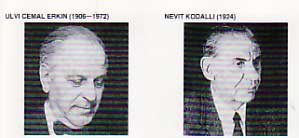
Ulvi Cemal Erkin (1906 - 1972) : Quintet for Piano and String Quartet (1943)
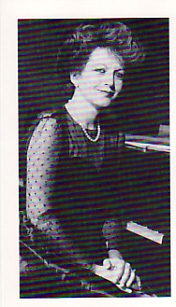
This is an earlier recording from Deniz Arman Gelenbe, obtained easily via Amazon and bringing us rare and welcome acquaintance with music from this fine pianist's native Turkey; she now is based in London as Acting Director of Piano at Trinity College of Music. It is mostly tonally based, with spicey melodic inflections, and with a basic straightforward accessibility. The Kodalli is slightly more adventurous, its Vivace finale having a substantial contrasting slow section in the middle. The piano pieces will appeal to all familiar with Bartok's but they have a distinct flavour of their own. The quintets' textures tend to be full and rich. Both offer, at the lowest, good possibilities for intriguing encores ! The backing information is remarkable for its near total lack; nothing helpful about either composer or the chosen works, nor is a lot to be found via Google... The recording in Leuven dates from 1993 when all the musicians were based in Belgium. Recommended to collectors of 20th C. music from other cultures. Peter Grahame Woolf
|