 |
 |
|
 |
||
|
Brian Elias Echo for 5 music boxes; Fantasia for violin & piano; Birds Practice Songs in Dreams for clarinet; Song (1986) for mezzo-soprano and hurdy-gurdy; Solo from The Judas Tree for steel pan; 3 Songs for mezzo-soprano & harp; Geranos for flute, clarinet, percussion, piano, violin, viola & cello
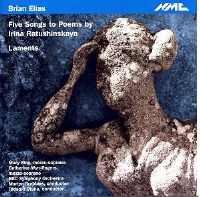
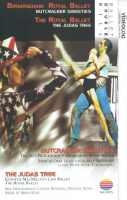
Of the generous selction of Elias's own music, all played with complete conviction and command of their difficulties, those that stay in the memory (and should enter students' repertoires) were the two solos for steel pan (Simon Limbrick) developed from the score for MacMillan's ballet at Covent Garden, and the delicious bird song for clarinet (Mark van de Wiel). The song with hurdy-gurdy had been inspired by a street singer accompanying himself on tanpura. In this performance it was unsatisfactorily punctuated by regular repetitions of a chord on the harmonium - that crude modern invention which has largely taken over accompanying Indian singers from the sarangi. Towering over everything was Geranos (1985) for instrumental septet conducted by Quentin Poole, a ground breaking composition which surely deserves regular concert exposure, perhaps in the company of works for similar forces by Stravinsky and Roberto Gerhard, whose exploratory late Zodiac pieces came to mind, an indication of my high regard for Elias's complex (to me) novelty. The concert was over-long. Bennett's take on Syrinx (played beautifully first by Helen Keen) was a welcome companion piece to Debussy's trio sonata, but Alison Bauld had nothing to say about Cleopatra's death that Berlioz hadn't offered for the Prix de Rome 1829 (NAXOS 8.555810). Possibly Elias and ourselves would have been better served if the concert programme had been restricted to his own music, and with Geranos performed twice? An important CD of orchestral songs by Brian Elias has Five Songs to Poems by Irina Ratushinskaya (1989) and
Laments (1998) NMC D 064.
|

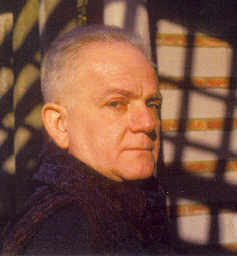 In conversation with Stephen Plaistow, who described him as a 'real' composer who works from inner need, not to passing fashion, Brian Elias (b. 1948) talked about his Iraqui/Jewish/British upbringing in Bombay, and the ubiquitous sounds of music there which have continued to haunt him. Translated with his family to England at 13, he studied the leading modernists, through them making slow progress to his very individual approach to music and composition, all described by Susan Bradshaw in a particularly lavish and informative programm book, a collector's piece with a cover (above) which shows one of Elias's own needle point fabrics, and pictures the composer with the musical boxes created with his famous sculptor cousin Anish Kapoor - sounding as we entered the Purcell Room.